 by
by 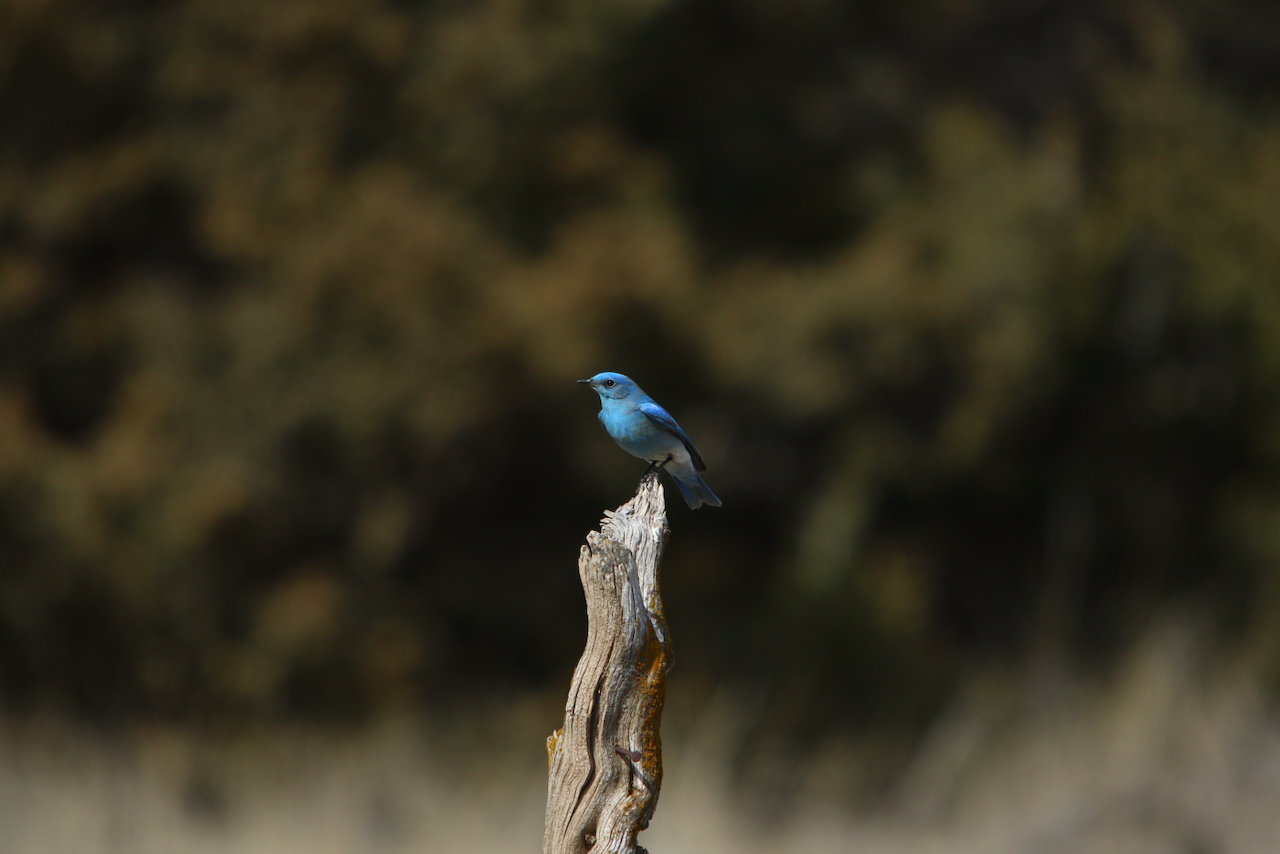
This week in Yellowstone National Park, from March 12th to March 18th, 2026, I will tell you what you need to know to see bluebirds, let you know the main causes of death in Yellowstone, and share some tips on how to watch wildlife without putting the animals at risk. I will also give you the complete weather forecast, the snowpack update, a trail to hike, the wildlife report, and everything else you need to have an incredible time, “This Week in Yellowstone.”
LISTEN TO THIS AS A PODCAST
Apple: https://podcasts.apple.com/us/podcast/this-week-in-yellowstone-national-park/id1789397931
Spotify: https://open.spotify.com/show/41E5WWldz4s7n6NXh2Lahr
RSS: https://rss.com/podcasts/this-week-in-yellowstone-national-park/
Disclaimer: I may miss a few details, so please feel free to reach out with any questions. I also mention park locations casually. If you’re unfamiliar, a quick search can help. This report only covers drivable areas of the park.
Also, this podcast is a passion project. If you enjoy it, I’d love a review or a quick email! To support my work, check out my hiking and wildlife-watching guidebooks, or join me for a guided hiking tour in Yellowstone’s backcountry. For more information, visit outdoor-society.com or contact me directly. Seriously though, come book a trail tour with me.
THIS WEEK’S YELLOWSTONE NEWS
The Bears Are Out For Good
All Oversnow Travel Ends On The 15th
Palette Springs Boardwalk at Mammoth Hot Springs Has a Closure
A portion of the boardwalk leading to Palette Springs, located on the Lower Terraces in Mammoth Hot Springs, will be temporarily closed for repair work. This may be completed by the time you hear this.
EXPERIENCE OF THE WEEK
The Return of the Bluebirds in Yellowstone
Each year, around the Greater Yellowstone region, one small sign of spring gets a lot of locals excited: the return of the bluebirds. After months of winter, it only takes one flash of bright blue over a snowy field to make people feel like the seasons are finally starting to shift.
In and around Yellowstone National Park, bluebirds are some of the earliest migrants to come back. Winter storms can still sweep through the area, yet these birds begin showing up as daylight slowly increases and insects start to reappear. The National Park Service and the Cornell Lab of Ornithology both note that bluebirds often arrive in the northern Rocky Mountains weeks before it truly feels like spring.
The species most people see around Yellowstone is the Mountain Bluebird. The males are hard to miss. Their color almost glows against the pale browns and whites of the late winter landscape. Interestingly, that brilliant blue is not actually caused by pigment. Scientists explain that microscopic structures in the birds’ feathers scatter light in a way that reflects blue wavelengths. The effect is called structural coloration, which is why the birds appear so vividly blue to our eyes.
Male Mountain Bluebirds are small and compact with round heads and thin bills. Their bodies are a bright sky blue overall, usually darker along the back and wings and lighter underneath. Females and younger birds look quite different. They are mostly gray-brown with touches of pale blue on the wings and tail, and many have a rusty gray wash across the belly. That duller coloring helps females stay less visible to predators while nesting, something that is common in many bird species.
Inside Yellowstone, bluebird sightings often start slowly in early spring. Snow can linger across much of the park’s higher elevations, which delays insect activity and makes early feeding more difficult. Conditions usually improve first along the park’s northern range, where lower elevations and open valleys begin to thaw earlier.
Outside the park boundary, sightings can appear even sooner in nearby valleys and grasslands. Places along the Yellowstone River valley and surrounding sagebrush flats provide excellent early habitat. These open landscapes are exactly the type of environment Mountain Bluebirds prefer during breeding season.
According to the Audubon Society and the Cornell Lab’s Merlin Bird ID database, Mountain Bluebirds favor wide open country with scattered trees, fence posts, or shrubs that give them places to perch. You will often find them in meadows, sagebrush flats, pastureland, alpine foothills, and even recently burned or cleared forest edges. Across the Rocky Mountains, they can breed at elevations up to about 12,500 feet.
Another interesting detail about bluebirds is that they rely on cavities for nesting. Natural holes in trees, abandoned woodpecker cavities, and nest boxes can all become potential homes. In open landscapes where natural cavities are limited, conservation groups have installed bluebird boxes to help support their populations.
Their diet changes throughout the year as well. In early spring, they focus mainly on insects that begin emerging as temperatures rise. Beetles, caterpillars, and grasshoppers are all common food sources. During colder stretches when insects are harder to find, they may switch temporarily to berries and other small fruits.
If you want to try spotting early-season bluebirds in the Greater Yellowstone Ecosystem, it often helps to look just outside the park. Some of my best luck has been along the Old Yellowstone Trail between Gardiner and Yellowstone Hot Springs, and farther south through Paradise Valley between Tom Miner and Point of Rocks. Trail Creek Road on the west side of Paradise Valley near Livingston is another great place to watch open fields and fence lines. The road to Dailey Lake near the south end of Paradise Valley is also worth a drive, especially on sunny days when birds are actively feeding.
TIP OF THE WEEK
Try to Avoid Driving Pullout to Pullout When Watching Wildlife Like Bears And Wolves
Wildlife watching is one of the main reasons people visit Yellowstone National Park. Seeing a grizzly bear crossing a meadow or a wolf trotting along a ridgeline can be a once-in-a-lifetime experience. The excitement of those moments is understandable. At the same time, there is a growing habit in the park that deserves some attention: driving pullout to pullout, trying to track animals like bears and wolves.
If you have spent time in Yellowstone’s Northern Range or Lamar Valley, you have probably seen this happen. A vehicle stops at a pullout where people are watching wildlife through spotting scopes. A few minutes later, another car arrives, and someone asks, “What are you looking at?” When the answer is wolves or bears, that driver might watch for a moment, then jump back into the car and race down the road to the next turnout to try to get closer.
This pattern repeats itself over and over. Cars leapfrog from pullout to pullout, sometimes following the same animal as it moves across the landscape. In some cases, dozens of vehicles begin circulating along the same stretch of road.
The problem is that this behavior can turn wildlife watching into wildlife stalking.
Yellowstone’s bears and wolves are wild animals that need space to move naturally across the landscape. The National Park Service asks visitors to stay at least 100 yards away from bears and wolves at all times (National Park Service). That distance rule is not just about personal safety. It is also about minimizing disturbance to the animals.
Constantly repositioning vehicles to stay near an animal can add pressure that people may not immediately recognize. Wolves traveling through a valley may encounter clusters of vehicles repeatedly along the road. Bears moving between feeding areas sometimes find themselves followed by lines of cars as people try to predict where they will appear next.
Even when people remain technically outside the minimum distance, repeated attempts to stay close to an animal can influence its behavior. Animals may change direction, move farther from important feeding areas, or retreat into rough terrain simply to avoid people.
There are also practical concerns for visitors. When drivers rush between pullouts, traffic becomes unpredictable. Sudden stops, U-turns, and crowded turnouts create safety issues along Yellowstone’s narrow roads. According to National Park Service safety guidance, traffic congestion around wildlife is one of the most common hazards in the park (National Park Service).
A better approach is surprisingly simple. Instead of chasing animals from turnout to turnout, pick a safe place to watch and stay there for a while. Even if you see guides and members of the wolf-watching community constantly moving, know that this isn’t the best practice for reducing stress and human interactions with wildlife.
Wildlife behavior often rewards patience. Wolves may disappear for an hour and suddenly reappear along a ridgeline. Bears that vanish into the brush sometimes wander back into view later. Remaining in one place allows the animals to move naturally without the pressure of vehicles constantly shifting around them.
This approach also changes the experience for the better. Yellowstone’s valleys become quieter. You notice more of the landscape. Conversations with other wildlife watchers often turn into informal lessons about animal behavior, migration patterns, and recent sightings.
Yellowstone offers one of the best opportunities in the world to observe large predators in their natural environment. That privilege comes with responsibility. Watching wildlife should never turn into chasing wildlife. By slowing down, staying patient, and resisting the urge to leapfrog from pullout to pullout, visitors can help keep Yellowstone’s animals wild while still enjoying unforgettable moments in the park.
RANDOM YELLOWSTONE FACT OF THE WEEK
The Main Causes of Death in Yellowstone National Park
Every year, millions of people visit Yellowstone National Park to see wildlife, geysers, and vast mountain landscapes. Despite the park’s wild reputation, deaths are relatively rare compared to its visitation. Still, accidents and medical emergencies do occur. Understanding the numbers helps put the risks into perspective.
Since Yellowstone was established in 1872, more than 250 people have died in the park from various causes. More recently, 74 deaths were recorded inside Yellowstone between 2007 and 2023, according to compiled park data.
These incidents stem from a combination of natural hazards, health issues, and human activity.
Vehicle Accidents
Driving is one of the most dangerous activities in Yellowstone. Of the 74 deaths recorded between 2007 and 2023, 17 were caused by motor vehicle accidents, making crashes one of the leading causes of fatalities in the park.
The park has more than 300 miles of roads that wind through forests, mountains, and wildlife habitats. Heavy traffic during summer months, distracted driving, and sudden wildlife crossings can lead to collisions. Speed limits are relatively low, but accidents still occur when drivers underestimate sharp curves or stop suddenly for animals along the roadside.
Vehicle accidents also affect wildlife. Large animals, including elk, bison, bears, and wolves, are sometimes struck by vehicles each year along Yellowstone’s roads.
Medical Emergencies
Natural or medical causes are another major factor in Yellowstone fatalities. Between 2007 and 2023, 18 deaths in the park were linked to medical emergencies, including heart attacks and other sudden health conditions.
Many visitors underestimate the physical demands of the park. Yellowstone sits at elevations ranging from about 5,000 to over 11,000 feet. Hiking, high altitude, and long travel days can place additional stress on the body. According to park safety data, medical issues account for roughly one quarter of deaths in Yellowstone.
Older visitors and those with underlying health conditions are at greater risk, particularly during strenuous activities such as hiking.
Drowning and Water Accidents
Water-related incidents are another leading cause of fatalities. Historically, drowning has been the single most common cause of death in Yellowstone, with about 125 drowning deaths recorded since the park’s founding.
Yellowstone’s rivers, waterfalls, and lakes can be deceptively dangerous. Water temperatures often remain below 50°F (10°C) even during summer. Sudden immersion can cause cold shock or hypothermia within minutes.
Some drownings occur while fishing or attempting to cross rivers in the backcountry. Others involve slipping on wet rocks near waterfalls or entering fast-moving water.
Falls and Hiking Accidents
Yellowstone’s rugged landscape includes steep cliffs, canyon edges, and uneven trails. Falls are another recurring cause of death. Between 2010 and 2020, park data recorded seven deaths from falls, often occurring during hiking or sightseeing.
The park’s dramatic viewpoints attract millions of visitors each year. Areas such as canyon overlooks and waterfalls feature steep drop-offs, where a slip or misstep can be fatal. Leaving designated trails increases the risk significantly.
Geothermal Features
Yellowstone is home to more than 10,000 hydrothermal features, including hot springs, mud pots, and geysers. These geothermal areas can be extremely dangerous. Water temperatures in some pools exceed the boiling point, and the ground surrounding them may be thin or unstable.
Since the late 1800s, about 20 people have died after falling into or entering hot springs and other geothermal features in the park.
Most of these incidents occur when visitors leave designated boardwalks or ignore warning signs.
Wildlife Encounters
Yellowstone is famous for its wildlife, including American bison, Grizzly bear, American black bear, and Gray wolf. Although encounters with animals sometimes lead to injuries, fatalities are extremely rare. Historical records show only eight deaths from grizzly bear attacks in the park’s history.
Bison injure more people than any other animal in Yellowstone, but most incidents result in nonfatal injuries when visitors approach animals too closely.
Despite its reputation for wild animals, Yellowstone is far more dangerous in quieter and less obvious ways. Visitors should absolutely maintain a healthy fear and respect for wildlife. Animals like bison, bears, and moose are powerful and unpredictable, and keeping the recommended distance is essential. At the same time, the numbers show that wildlife accounts for only a small fraction of deaths in the park. Far more people die from traffic accidents, medical emergencies, and drowning in cold rivers and lakes. In other words, the biggest risks in Yellowstone are often the same ones people face elsewhere. Driving carefully, staying aware of personal health limits, and respecting the park’s powerful waterways are just as important as keeping your distance from wildlife.
WEATHER FOR THE COMING WEEK
I am too lazy to type it all out, so you’ll have to listen to the podcast to get the weather forecast, or just contact me.
Apple: https://podcasts.apple.com/us/podcast/this-week-in-yellowstone-national-park/id1789397931
Spotify: https://open.spotify.com/show/41E5WWldz4s7n6NXh2Lahr
RSS: https://rss.com/podcasts/this-week-in-yellowstone-national-park/
SNOWPACK UPDATE
As of March 11th, the snowpack is around 88% of normal for this time of year. The eastern and northern ranges of the park are 94% of normal, while the western and southern sides are 84% of normal. Last year on this date, we were averaging around 96% of our normal level.
ROADS CONDITIONS
The only road open is the road between Gardiner, Montana, and Cooke City, Montana. Please be aware that this road can close at any time due to inclement weather.
For up-to-date information, call (307) 344-2117 for recorded information, or sign up to receive Yellowstone road alerts on your mobile phone by texting “82190” to 888-777.
CAMPING INFO
There is only one campground open in the park right now, and that is the Mammoth Campground, which is open year-round.
WILDLIFE WATCHING UPDATE
You have to listen to the podcast to get this information. Sorry.
Apple: https://podcasts.apple.com/us/podcast/this-week-in-yellowstone-national-park/id1789397931
Spotify: https://open.spotify.com/show/41E5WWldz4s7n6NXh2Lahr
RSS: https://rss.com/podcasts/this-week-in-yellowstone-national-park/
PICK UP A GUIDEBOOK
Love what you have heard on this podcast and want more information on wildlife watching? Get a copy of my wildlife-watching guidebook to the region! Available in both ebook and paperback formats, my book will help you spot wildlife like a seasoned local. Please consider buying a book directly from me, as I make next to nothing when they are sold on Amazon. Grab your copy now at outdoor-society.com!
TRAIL ALERTS AND UPDATES
There are no official trail alerts this week. That being said, we are days away from bears coming out of their dens for the spring. While a grizzly was sighted a few weeks ago, it vanished as fast as it was spotted. That won’t be the case soon. Carry bear spray. Have it readily accessible and not in a backpack. Know how to use it.
TREK OF THE WEEK
A Quiet Hike Along Yellowstone’s Abandoned Railroad Bed
If you are looking for a quiet place to hike near Yellowstone this week, the Abandoned Railroad Bed Trail just outside the North Entrance near Gardiner is worth considering. This little-known route, by the average park visitor, follows the grade of a historic railroad line and offers a wide, gentle path through the open landscapes of the northern Yellowstone ecosystem.
The trail begins near the Yellowstone Heritage and Research Center in Gardiner, Montana, just a short distance from the Roosevelt Arch entrance to Yellowstone National Park. From a pullout along Old Yellowstone Road, hikers make a short walk down to the old rail grade before beginning the hike. Once on the railroad bed, the path stretches north across open sagebrush country toward Reese Creek.
Unlike many trails around Yellowstone, this route is almost completely flat. Because it follows the path of a former rail line, the grade was originally engineered to keep trains from climbing steep slopes. As a result, the trail rises only slightly over the course of the hike and is easy to follow. The full route runs about eight miles one way, making it possible to hike as little or as much of it as you like before turning around.
This time of year can be a particularly nice window to explore the trail. Early spring conditions often mean cooler temperatures and fewer people than in the busy summer months. The northern Yellowstone landscape is wide open, with sweeping views across sagebrush flats and grasslands. Electric Peak rises dramatically to the west, while the Yellowstone River valley lies nearby.
The open terrain also makes the trail a good place to spot wildlife. Bison, elk, and pronghorn are frequently seen across the northern range, and hikers sometimes spot them grazing not far from the trail. Both black bears and grizzly bears live in the area as well, so carrying bear spray and staying alert is important. Park safety guidelines recommend keeping at least 100 yards away from bears and wolves and 25 yards from other animals.
Another reason the trail stands out is its quiet. This trail skirts the park boundary and often sees far fewer people, giving hikers a chance to experience the landscape in a more peaceful setting. It is a local favorite this time of the year, and after walking above the Yellowstone River, watching for birds and other wildlife, it may just become one of your favorites when in Gardiner.
The railroad bed itself is a reminder of how visitors once traveled to Yellowstone. In the late 1800s and early 1900s, trains carried tourists to gateway communities like Gardiner. From there, visitors continued into the park by stagecoach and later by automobile. As cars became the dominant form of travel, many of the rail lines around Yellowstone were abandoned. The tracks were removed, but the raised gravel grades remained, creating wide corridors that now work well as recreational trails.
Today, hikers can follow the same route that trains once carried early visitors toward America’s first national park. The surface is mostly compacted dirt and gravel, wide enough to make walking easy. Sturdy shoes are still a good idea since the old railroad ballast can be uneven in places.
If you decide to check it out this week, be ready for mud. While it will be annoying, it shouldn’t be bad enough to take away from the beauty and solitude of this hike. The northern Yellowstone ecosystem is drier than much of the park, and there is very little shade along the route, so the mud can be hit or miss.
The long views of the river and the mountains, the quiet surroundings, and gentle terrain make the Abandoned Railroad Bed Trail a different kind of Yellowstone experience. For anyone looking to stretch their legs outside the park’s busy corridors, it offers a peaceful walk through both the landscape and the region’s history.
NEXT WEEK
In the next episode, I’ll return with all of the information you need to have a good week in the park, including wildlife, weather, and trail updates.
Until then, book a tour with me, pick up a guidebook of mine, and happy trails!