 by
by 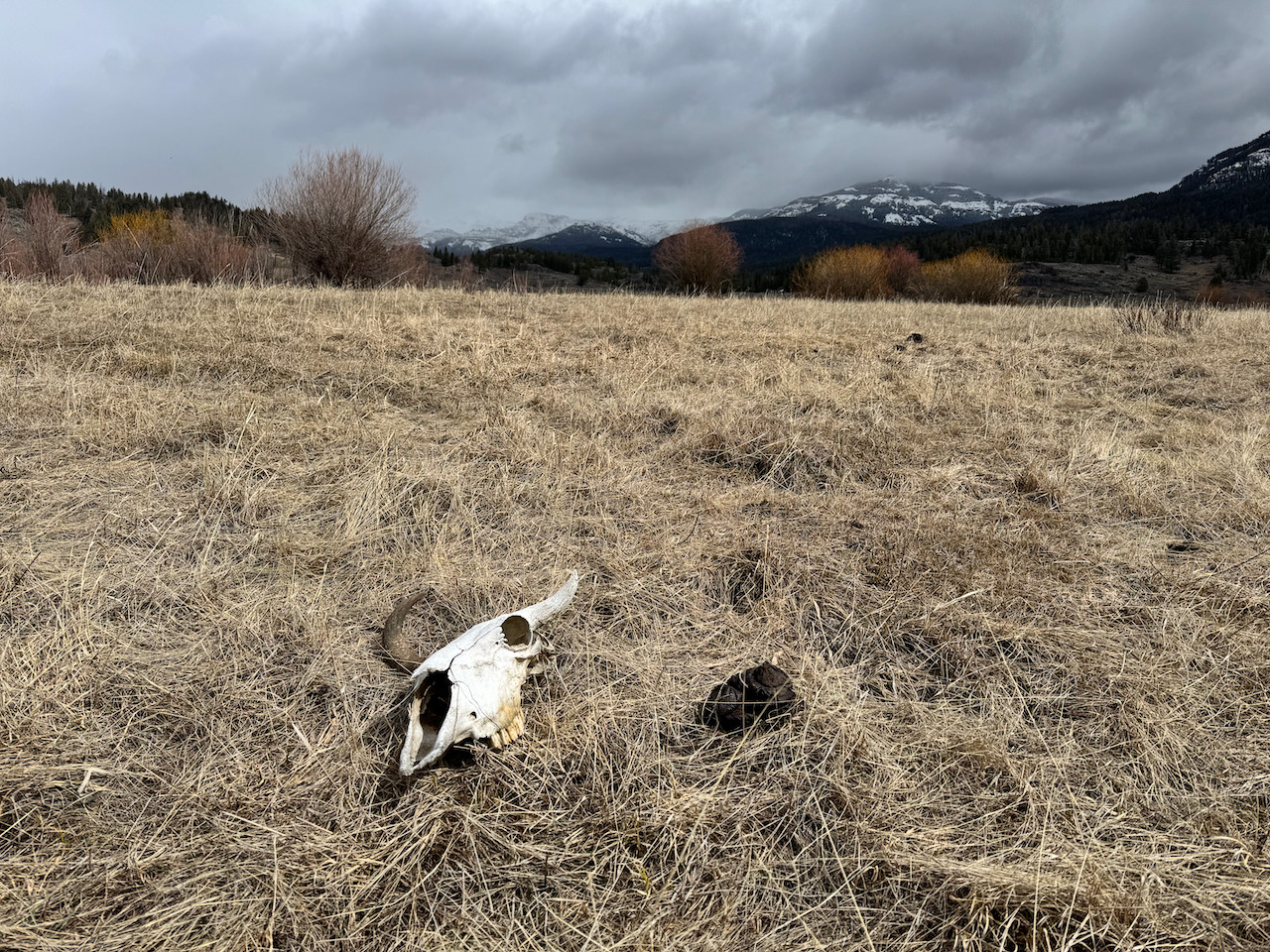
This week in Yellowstone National Park, from April 9th to April 15th, 2026, I will share with you why this is the last calm week in the park, tell you not to leave a pullout when the animals go away, discuss bear management areas, and hope to inspire you to go for a hike. I will also give you the complete weather forecast, the snowpack update, the wildlife report, and everything else you need to have an incredible time, “This Week in Yellowstone.”
LISTEN TO THIS AS A PODCAST
Apple: https://podcasts.apple.com/us/podcast/this-week-in-yellowstone-national-park/id1789397931
Spotify: https://open.spotify.com/show/41E5WWldz4s7n6NXh2Lahr
RSS: https://rss.com/podcasts/this-week-in-yellowstone-national-park/
Disclaimer: I may miss a few details, so please feel free to reach out with any questions. I also mention park locations casually. If you’re unfamiliar, a quick search can help. This report only covers drivable areas of the park.
Also, this podcast is a passion project. If you enjoy it, I’d love a review or a quick email! To support my work, check out my hiking and wildlife-watching guidebooks, or join me for a guided hiking tour in Yellowstone’s backcountry. For more information, visit outdoor-society.com or contact me directly. Seriously though, come book a trail tour with me.
THIS WEEK’S YELLOWSTONE NEWS
Traffic Delays over the Gardner River Bridge
Construction on the Gardner River High Bridge, located east of Mammoth Hot Springs, is set to begin on April 13, 2026, and will continue through late October. Visitors traveling between Mammoth and Tower Junction should expect delays of up to 15 minutes at any time of day, as traffic will be reduced to a single lane and controlled by a signal. In addition to these delays, there will be five planned overnight closures between late May and July 1, with road access shut down from 9:00 p.m. to 4:00 a.m.
There are also important restrictions to be aware of during construction. Vehicles exceeding 8 feet 6 inches in width, 75 feet in length, or 80,000 pounds gross vehicle weight will not be allowed to pass through this section of road.
Interior Roads Start to Open on the 17th
Select roads in Yellowstone National Park are scheduled to open to public vehicle traffic at 8 a.m. on Friday, April 17, 2026, marking a major step into the spring season. These openings typically include the route from the West Entrance to Old Faithful, as well as the road between Norris and Mammoth Hot Springs, and Norris to Canyon.
Additional roads begin opening in phases through May, with the East Entrance over Sylvan Pass, as well as Hayden Valley, usually opening around May 1, followed by the South Entrance on May 8, further expanding access across the park. All park roads should be open by May 22nd, if the weather cooperates.
EXPERIENCE OF THE WEEK
The Last “Calm” Week
There’s a very short window each spring in Yellowstone National Park that feels completely different from the rest of the year. It’s happening right now. For one last week, the park is still quiet before the steady climb toward summer begins.
After this week, visitation will start to ramp up quickly. According to the National Park Service visitation statistics, Yellowstone receives the vast majority of its more than four million annual visitors between late May and September, with numbers beginning to rise sharply as interior roads open in mid to late April (nps.gov). That shift is just around the corner, starting next week when interior roads start opening up.
For now, though, things still feel calm. That doesn’t mean the park is completely empty, though, so don’t assume it will be. If someone spots wolves or a grizzly bear, pullouts will fill up fast. That part never changes. But outside of those moments, the roads are quiet in a way that’s hard to find later in the year. Traffic is light. You can drive for miles without seeing another car. The camper vans and long lines of summer haven’t arrived yet.
Tour groups are still around, but even those feel spaced out. Most of the time, it’s just you, the road, and a landscape that’s starting to wake up after winter.
And the truth is, there’s no shortage of things to see right now. Wildlife is one of the biggest reasons to be here this week. The northern range is especially active. Grizzly bears are emerging from torpor and are being spotted regularly, often feeding on winter-killed animals or moving across open hillsides and digging for roots. Wolves have been visible almost daily in recent weeks, sometimes close enough to watch without a spotting scope or binoculars. This level of consistency doesn’t usually last into the busier months.
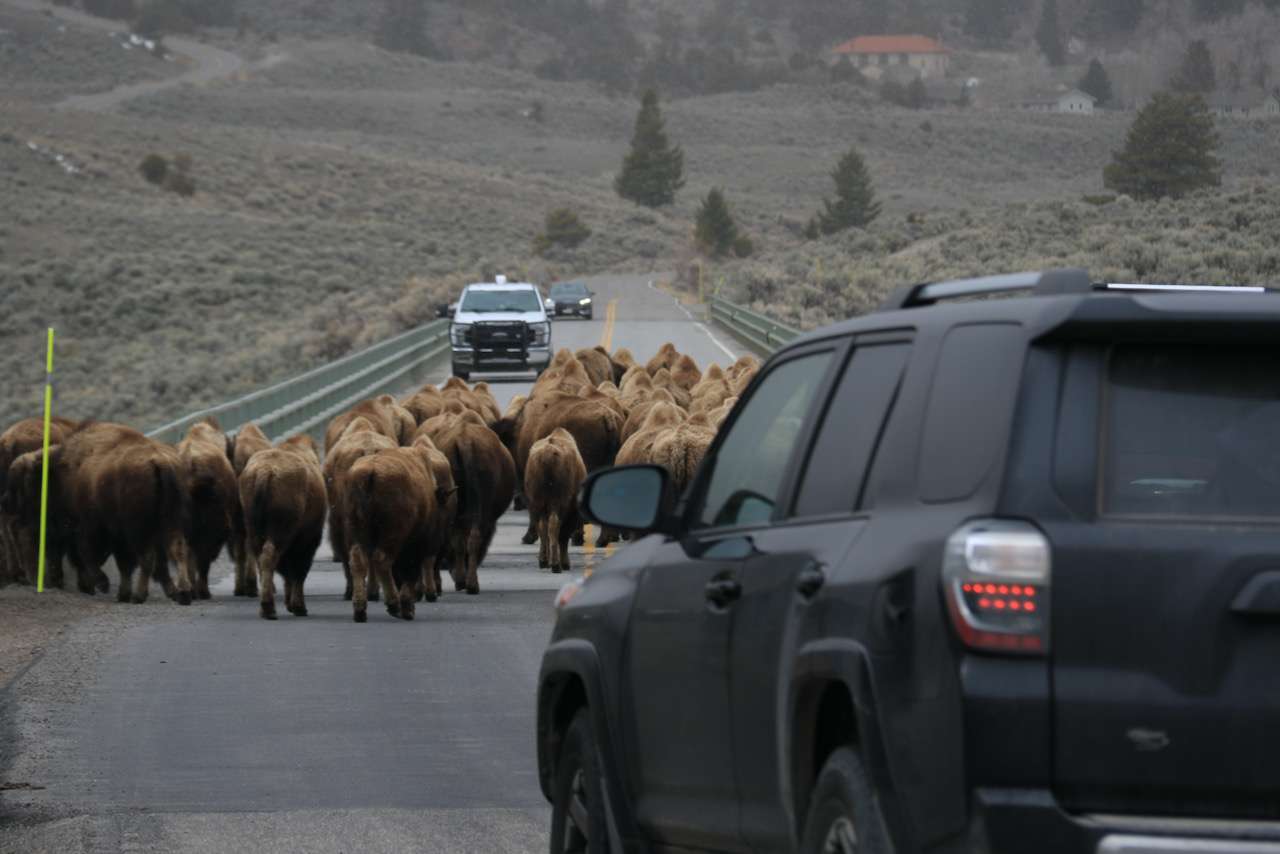
Bison are also entering one of their most iconic seasons. Calving has begun, and those small, reddish-orange newborns, often called “red dogs,” are starting to appear across the valleys. According to the National Park Service, bison calves are typically born from April through June, with peak activity in the early part of that window. Seeing them take their first steps is one of those moments that sticks with you.
Beyond wildlife, the landscape itself is starting to shift. Lower elevation trails on the northern range are becoming mostly snow-free, opening up hiking opportunities that feel surprisingly remote for this time of year. You can walk just a short distance from the road and find yourself completely alone. It’s a rare chance to experience Yellowstone’s backcountry without the crowds that come later.
Spring is also arriving in smaller, quieter ways. Migratory birds are returning, and the soundscape is changing with them. Ospreys are beginning to reclaim their nesting sites near rivers and lakes. Songbirds are more active in the mornings. Across the grasslands, the first hints of green are starting to show through what was, just weeks ago, a winter landscape. Even wildflowers are beginning to appear. It’s subtle at first, easy to miss if you’re not looking closely, but it’s there. A reminder that the season is turning.
What makes this week special is the balance. You still have the feel of early spring, with wildlife concentrated and the landscape in transition, but without the full arrival of crowds. It’s a version of Yellowstone that feels open, quiet, and unhurried. That changes quickly. As roads open toward Old Faithful, Norris Geyser Basin, and the Grand Canyon of the Yellowstone, the park expands overnight. More people arrive. Traffic increases. The energy shifts from quiet observation to full summer activity.
There’s nothing wrong with that. Summer in Yellowstone has its own kind of magic. But this week offers something different. It’s one last chance to see the park before it transitions to true tourism season. This is the time to experience wildlife without as much pressure, to stand in a pullout and hear nothing but wind and distant water, and to hike a trail and not see another person. If you’ve ever thought about visiting Yellowstone in the shoulder season, this is the moment. Just know it won’t last long.
TIP OF THE WEEK
Spending time watching wildlife in Yellowstone National Park teaches you something pretty quickly. Animals aren’t on your schedule. Obviously. They don’t show up just because you pulled into a turnout, and they don’t wait around for you to get a good picture of them. Instead, everything out here works in waves. There are moments when the landscape feels full of life, long stretches where nothing seems to be happening, and then, just when it feels like it’s over, it all starts up again.
Most people have heard the basics. Early morning and evening are usually the best times to see wildlife. The National Park Service points out that many of Yellowstone’s large mammals are most active during these cooler parts of the day, especially in warmer months. Midday tends to slow things down. Animals bed down, move into timber, or just become harder to spot. But that is an oversimplification of things. There’s another layer to this that you only start to notice if you stick around a little longer.
Animals here don’t just move with the time of day. They move in cycles. Wolves, elk, bison, and bears all have periods where they’re active, followed by periods where they rest or disappear from view. Research on Yellowstone wolves, for example, shows they alternate between traveling, feeding, and resting throughout the day rather than staying constantly active. However, this is again an oversimplification and not always the case.
You’ll often see a pack of wolves or a bear out in the open, maybe feeding or just standing in an opening. Someone spots them, word spreads, and pretty soon there’s a line of cars and a cluster of people with binoculars and spotting scopes. Tour groups show up, and pretty soon, there is a line of people watching the animal. Then, almost like clockwork, the animals drift out of sight. They move behind a ridge, into a stand of trees, or just lie down where you can’t see them anymore.
From the road, it feels like they’re gone. People wait for a bit, but eventually, they start to leave. The pullout empties. The assumption is that the show is over.
Then, not long after, the animals come back out.
This happens all the time. It happened last week when I was in the park. Wolves were out and visible in Slough Creek, and it seemed like everyone in the park was watching them. The weather wasn’t ideal, but wolves were visible. The wind picked up, the snow started to fall again, and everyone started to pack up and leave. I was leading a hiking tour that day, and we watched everyone leave and started hiking down the closed Slough Creek Road, heading to the trailhead. As we hiked on, we stopped and scanned, just in case. Off to our left, on a ridge a few hundred yards away, was a black wolf on the move, only visible to us. We watched it for a few minutes, then it was gone. We hiked on, had a great day, and returned to the area. It was 3 pm when we got back to the spot where we had a good wolf sighting. Only one other person was around, and I assumed that wolves were not visible. We scanned and soon saw two wolves of the Junction Butte Pack, perfectly visible to the naked eye, wandering around. As we got within sight of the main road, we watched as tour groups and carloads of visitors rushed by, not knowing that the wolves they had struggled to see earlier in the day were perfectly visible in the warm sun.
This is not unique or random. It’s part of that natural rhythm of feeding, resting, and moving through the landscape. It is also why I push back when other tour guides in the park say that wildlife like bears and wolves are not visible in the middle of the day. Sure, sightings aren’t as common, but they are not rare.
There’s also a human factor in animal movement and visibility. Yellowstone wildlife isn’t fully habituated to people, and large crowds can influence behavior. The National Park Service notes that animals may change how they use an area in response to disturbance, even if it’s subtle. When things quiet down, even just a little, animals often return to the same places they were using before. You’ll notice this even more in the shoulder seasons, when there are fewer people around. The ebb and flow become easier to see. Animals still move in and out of view, but they often come back more quickly when there’s less pressure.
For visitors, this is one of the most valuable lessons you can take away. If you leave the second thing, get quiet, you’re probably going to miss something. Some of the best moments happen after that lull, when most people have already driven off.
It changes how you approach wildlife watching. Instead of chasing sightings, you start to slow down. You stay put a little longer. You watch more carefully. You realize that what looks like nothing happening is often just a pause before the next movement.
Yellowstone really rewards that kind of patience. The animals are still there, moving through their own rhythms, whether anyone is watching or not. If you give it time, chances are good they’ll come back into view.
RANDOM YELLOWSTONE FACT OF THE WEEK
Bear Management Areas
Bear Management Areas, or BMAs, are one of those things you might hear about when planning a spring trip to Yellowstone National Park. They sound like a big deal, and in some ways, they are, but for most visitors, they end up having very little impact on what you can actually do in the park.
Each year, the National Park Service puts these seasonal restrictions in place in areas where bears are most likely to be feeding or moving through. Most BMAs go into effect around March 10, right as grizzly bears begin to emerge from denning. Adult males, often called boars, are usually the first out, followed by females with cubs later in the spring. After months without eating, bears are trying to regain weight as quickly as possible, often by feeding on winter-killed elk and bison. Giving them space during this time is critical.
There are a few well-known areas where BMAs impact visitation. Pelican Valley is one of the strictest and is usually closed to all travel until early July because it’s such an important grizzly habitat. Other areas like Washburn, Firehole, and Gneiss Creek have a mix of full closures and limited access depending on the situation. Most of these restrictions stay in place until late June or July 1, though the exact dates can shift a bit each year.
Here’s the part that surprises a lot of people: most visitors won’t really be affected by any of this. That’s because BMAs are almost entirely in backcountry or lesser-traveled areas. The places most people come to see, like Old Faithful, Grand Prismatic Spring, the Grand Canyon of the Yellowstone, and Lamar Valley, are still fully accessible. Roads are open, pullouts are open, and the main attractions operate as usual.
Even when it comes to hiking, there are still plenty of options. A few trails might have time restrictions, but unless you’re specifically planning a backcountry route into one of these designated areas, you probably won’t run into closures at all.
That’s by design. The National Park Service sets up BMAs to protect the areas that matter most to bears while keeping the park open and accessible for visitors. It’s a way of balancing conservation with access, and it works pretty well.
There’s also a safety angle. Early spring is one of the more sensitive times of year, especially with bears feeding on carcasses or moving with cubs. Keeping people out of certain areas lowers the chances of close encounters, which is better for everyone involved.
So if you’re visiting this time of year, it’s worth being aware of BMAs. Check current conditions, take a quick look at a map if you’re heading out on a hike, and pay attention to any posted signs. Beyond that, you likely won’t need to change much about your plans. BMAs are doing important work behind the scenes. They give bears the space they need during a critical time of year, while most visitors continue exploring Yellowstone without missing a thing.
WEATHER FOR THE COMING WEEK
As always, this is the best forecast for the week at the time of recording. The forecast can change numerous times in a week, but this should be within the ballpark of what you’ll experience when visiting the park.
I am too lazy to type it all out, so you’ll have to listen to the podcast to get the weather forecast, or just contact me.
Apple: https://podcasts.apple.com/us/podcast/this-week-in-yellowstone-national-park/id1789397931
Spotify: https://open.spotify.com/show/41E5WWldz4s7n6NXh2Lahr
RSS: https://rss.com/podcasts/this-week-in-yellowstone-national-park/
SNOWPACK UPDATE
As of April 8th, the snowpack is around 78% of normal for this time of year. The eastern and northern ranges of the park are 93% of normal, while the western and southern sides are 67% of normal. Last year on this date, we were averaging around 98% of our normal level.
ROADS CONDITIONS
The only road open is the road between Gardiner, Montana, and Cooke City, Montana. Please be aware that this road can close at any time due to inclement weather.
For up-to-date information, call (307) 344-2117 for recorded information, or sign up to receive Yellowstone road alerts on your mobile phone by texting “82190” to 888-777.
CAMPING INFO
There is only one campground open in the park right now, and that is the Mammoth Campground, which is open year-round.
WILDLIFE WATCHING UPDATE
You have to listen to the podcast to get this information. Sorry.
Apple: https://podcasts.apple.com/us/podcast/this-week-in-yellowstone-national-park/id1789397931
Spotify: https://open.spotify.com/show/41E5WWldz4s7n6NXh2Lahr
RSS: https://rss.com/podcasts/this-week-in-yellowstone-national-park/
PICK UP A GUIDEBOOK
Love what you have heard on this podcast and want more information on wildlife watching? Get a copy of my wildlife-watching guidebook to the region! Available in both ebook and paperback formats, my book will help you spot wildlife like a seasoned local. Please consider buying a book directly from me, as I make next to nothing when they are sold on Amazon. Grab your copy now at outdoor-society.com!
TRAIL ALERTS AND UPDATES
There are no official trail alerts this week. Those will be resuming in late April, maybe. Right now, bear sightings are becoming more common and will only be increasing with every passing week. Carry bear spray. Have it readily accessible and not in a backpack. Know how to use it.
TREK OF THE WEEK
Slough Creek Road and Trail
As Yellowstone National Park starts to transition into its spring opening phase, some of the best experiences are actually happening just before everything fully opens. Side roads that will soon be busy with vehicle traffic are still closed, and for a short window, they turn into quiet, walkable routes into some of the park’s best wildlife habitat.
One of the best places to take advantage of that right now is Slough Creek.
Walking Slough Creek Road and continuing onto the Slough Creek Trail this time of year is something special. Once the road opens to vehicles, the experience changes completely. For now, though, it’s quiet, open, and incredibly productive for wildlife. According to the National Park Service, the Lamar Valley and Slough Creek area is one of the most important wildlife corridors in the park, especially for wolves, bears, and grazing animals.
I was out here just last week leading a tour, and it delivered in a big way. We saw wolves while hiking, along with a wide range of other wildlife. Along the route, we also came across a bison skull, moose antlers, and an elk antler. It’s the kind of place where you’re constantly reminded that this landscape is actively being used by animals every day.
The route itself is simple and makes for a great day. You park at the start of Slough Creek Road and begin by walking the road. It’s a gradual climb with plenty of opportunities to scan hillsides and open terrain. After a few miles, you reach the trailhead, where the Slough Creek Trail continues into the backcountry.
From there, the trail climbs up and over a hill before dropping into the first meadow. That meadow is the main destination for most people this time of year. It’s wide, open, and offers excellent visibility, making it a perfect place to sit, have a snack, and spend time watching the landscape. If you wander out toward the rock outcrops, you’ll get even better vantage points.
Round-trip, the outing is just under 9 miles with about 900 feet of elevation gain, making it manageable but still enough to feel like you’ve gone somewhere. I’ve written about this route in detail in my hiking guidebook to the Greater Yellowstone Ecosystem, and if you’re interested in finding more hikes like this, it’s a great resource to have along.
Slough Creek itself is also well known for its clear water and native Yellowstone cutthroat trout. The National Park Service notes that this drainage is one of the park’s premier backcountry fisheries, which speaks to the overall health and importance of the ecosystem here.
Once you’re in the meadow, it’s worth slowing down. This isn’t a place to rush through. Wolves move through this area regularly. Bears use the same corridors. Elk, bison, and pronghorn are all common. You’re not just hiking to a viewpoint; you’re stepping into one of the most active wildlife areas in the park.
That also means you need to stay alert. Spring and early summer bring a lot of animal activity, especially bears emerging from their dens. Bison frequently use both the road and the trail as travel routes. The National Park Service recommends carrying bear spray, staying aware of your surroundings, and keeping proper distances, at least 100 yards from bears and wolves, and 25 yards from other wildlife.
What makes this experience stand out right now is the timing. In a matter of weeks, the road will open, vehicles will return, and the feel of the area will shift. For now, though, Slough Creek offers something that’s getting harder to find. A quiet approach, wide open views, and the chance to experience Yellowstone in a much more personal way.
NEXT WEEK
In the next episode, I’ll return with all of the information you need to have a good week in the park, including wildlife, weather, and trail updates. Until then, book a tour with me, pick up a guidebook of mine, and happy trails!