 by
by 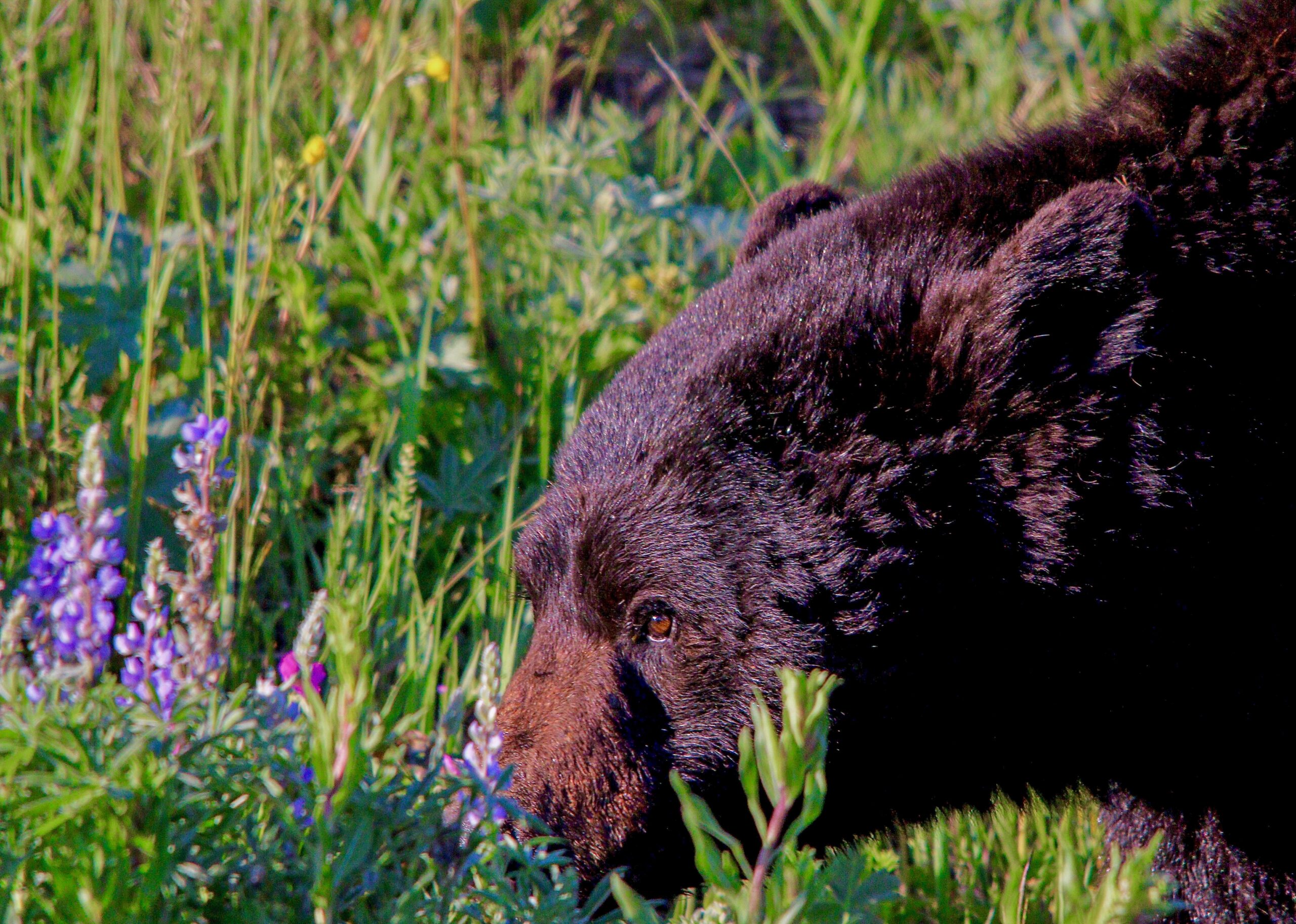
This week in Yellowstone National Park, from July 2nd to July 8th, 2026, I will let you know about the 4th of July in and around the park, try to encourage you to stop and smell the flowers, and then give some history about the carcass dumping sites. I will also give you the complete weather forecast, a cool trail to hike, the snowpack update, the wildlife report, and everything else you need to have an incredible time, “This Week in Yellowstone.”
LISTEN TO THIS AS A PODCAST
The text below is my notes for the podcast. They may be incomplete.
Apple: https://podcasts.apple.com/us/podcast/this-week-in-yellowstone-national-park/id1789397931
Spotify: https://open.spotify.com/show/41E5WWldz4s7n6NXh2Lahr
RSS: https://rss.com/podcasts/this-week-in-yellowstone-national-park/
Disclaimer: I may miss a few details, so please feel free to reach out with any questions. I also mention park locations casually. If you’re unfamiliar, a quick search can help. This report only covers drivable areas of the park.
Also, this podcast is a passion project. If you enjoy it, I’d love a review or a quick email! To support my work, check out my hiking and wildlife-watching guidebooks, or join me for a guided hiking tour in Yellowstone’s backcountry. For more information, visit outdoor-society.com or contact me directly. Seriously though, come book a trail tour with me.
THIS WEEK’S YELLOWSTONE NEWS
Bison Attack
Last Week’s Snow
Open Times for Entrances
EXPERIENCE OF THE WEEK
4th of July Celebrations
The towns around Yellowstone National Park are getting ready for what’s shaping up to be a big, lively Independence Day weekend. This year feels even more meaningful because the celebrations tie into the United States Semiquincentennial, marking 250 years of American independence. Across the region, that translates into a packed schedule of parades, rodeos, community events, and fireworks, all set against the backdrop of mountains, rivers, and wide-open Western skies.
If you are passing through Yellowstone itself during the holiday, it is worth remembering that fireworks are not allowed anywhere inside the park. Yellowstone National Park Public Affairs is very clear on this point, since even small fireworks can create a serious wildfire risk in such a dry and heavily forested landscape. There are no planned celebrations on the 4th of July in Yellowstone National Park, so don’t expect any. The good news is that the gateway towns surrounding the park lean all the way into the holiday spirit, offering plenty of ways to celebrate safely.
Cody, Wyoming, near the East Entrance, is one of the busiest hubs for the Fourth. This year’s theme, “250 Years of Legends, Liberty and the Lasting West,” fits the town’s personality perfectly. The Cody Stampede Parade rolls down Sheridan Avenue on both July 3rd and 4th at 9:30 in the morning, and the streets fill quickly with visitors and locals. Throughout the weekend, there is also the Wild West Arts Fest, nightly Cody Stampede Rodeo performances, and a fireworks show over the Shoshone River that brings the whole celebration to a classic Western finish.
Heading north, Livingston, Montana, keeps things just as festive with the Livingston Roundup Rodeo running at the Park County Fairgrounds from July 1st through July 4th. One of the highlights here is the Roundup Parade on July 2nd, a tradition that has been going strong for more than a century. From 3:00 to 6:00 in the afternoon, downtown fills up as people line 2nd Street, Calendar Street, and Main Street to watch horses, rodeo royalty, and patriotic floats make their way through town. I live in town and can assure you the vibe from July 2nd through the 4th is nearly unmatched anywhere in the Greater Yellowstone Ecosystem.
Over at West Yellowstone, Montana, the holiday has more of an all-day, walk-around feel. Things kick off at Pioneer Park with a farmers market, and the town keeps the energy going with community favorites like the Buffalo Chip Chuck competition and the “Pie on the Porch” fundraiser. By evening, everything shifts downtown for a 6:00 PM parade, live music from Bo DePeña, and a fireworks show at 10:15 that lights up the sky right outside the park boundary.
If you are looking for something a bit smaller and more laid-back, Cooke City, Montana, near the Northeast Entrance, delivers a very different kind of Fourth of July. The day centers around the EMS Fourth of July Parade and Fireman’s Picnic, where the whole community comes together for a simple Main Street parade, a local fundraiser picnic, and a relaxed, friendly atmosphere. Once night falls, fireworks echo through the Beartooth Mountains, giving the whole celebration a surprisingly dramatic setting for such a small town.
In Big Sky, Montana, the focus shifts away from fireworks because of wildfire concerns, but the celebration is still full of energy. The day might start with a 5K Fun Run at Len Hill Park, followed by scenic lift rides or zip-lining at the resort. Later in the evening, the community gathers for a free Music in the Mountains concert featuring The Tiny Band, keeping the holiday spirit strong without any fireworks in the mix.
If you are coming through Bozeman, Montana, the Gallatin County Fairgrounds becomes one of the main gathering spots for the region. The Valley View Rodeo runs on July 3rd and 4th at 7:00 PM, and once the rodeo wraps up on the Fourth, the city’s official fireworks show goes off at 10:00 PM, drawing a big crowd from both locals and travelers.
Gardiner, Montana, is a little quieter on organized events during the actual holiday since its rodeo takes place in June, but it still ends up being one of the busiest base camps in the region. Visitors use it as a jumping-off point for rafting the Yellowstone River, heading into the park for wildlife watching, or grabbing live music just down the road at Chico Hot Springs.
Taken together, the Yellowstone region offers a mix of big celebrations and small-town gatherings, all woven into the same landscape. Whether it is a packed parade in Cody or a quiet mountain picnic in Cooke City, the Fourth of July here feels distinctly Western, with wide-open spaces, strong community traditions, and a shared appreciation for the land that ties it all together.
There are obviously other small towns all around the region hosting their own celebrations, so feel free to research and see what fun can be had elsewhere in Wyoming, Idaho, or Montana.
TIP OF THE WEEK
Stop and Smell the Wildflowers
Most people visit Yellowstone National Park hoping to see Old Faithful erupt, watch a grizzly bear through a spotting scope, or catch a glimpse of wolves in Lamar Valley. Those are certainly unforgettable experiences, but early July offers another incredible show that many visitors overlook. Across the park, meadows, hillsides, forests, and mountain slopes explode with wildflowers, turning an already beautiful landscape into one filled with vibrant colors.
Early July is one of the best times to enjoy Yellowstone’s wildflower season because the blooms are spread throughout the park. Lower elevations are often near their peak, while higher elevations are just beginning to emerge from beneath the winter snowpack. Since Yellowstone ranges from roughly 5,300 feet to more than 11,000 feet above sea level, spring arrives at different times depending on where you are. If flowers have started fading in one part of the park, another area may be reaching its peak just a few thousand feet higher.
One of the best places to begin your search is around Mammoth Hot Springs and the Northern Range. This part of Yellowstone usually greens up earlier than much of the rest of the park, making it one of the first places where summer flowers appear. The Beaver Ponds Trail is particularly rewarding during early July, with colorful displays of lupine, sticky geranium, cinquefoil, yarrow, penstemon, phlox, wild rose, and, if you’re lucky, bitterroot. Montana’s state flower thrives in rocky, well-drained soils and can be easy to miss unless you slow down and look carefully.
Mention the top of Undine as a good place for Arrowleaf Balsamroot
Lamar Valley and Hayden Valley are famous for wildlife watching, but they are also outstanding places to enjoy Yellowstone’s wildflowers. As you scan the valleys for bison, pronghorn, bears, or wolves, take a closer look at the surrounding meadows. Moist areas along streams and rivers often bloom with elephant head lousewort, bistort, monkeyflower, lupine, paintbrush, harebells, and cinquefoil. Some of Yellowstone’s best flower displays are visible right from the roadside, making these valleys excellent destinations even if you’re not planning a hike.
If you don’t mind gaining a little elevation, the slopes around Mount Washburn and Dunraven Pass offer some of Yellowstone’s most spectacular summer wildflower displays. Snow often lingers here well into June, so early July marks the beginning of peak bloom in many years. Hiking trails in the area are lined with colorful patches of lupine, Indian paintbrush, arnica, sticky geranium, larkspur, sulfur buckwheat, and helianthella. As the flowers emerge, they create a striking contrast against the lingering snowfields that sometimes remain on north-facing slopes.
Yellowstone’s hydrothermal areas provide another unique opportunity to see wildflowers growing in unusual environments. While visitors naturally focus on the steaming geysers and colorful hot springs, many plants have adapted to the moist soils surrounding thermal runoff channels and nearby wetlands. Monkeyflowers, asters, and a variety of sedges and wildflowers often flourish in these habitats, creating a surprising blend of steam and color that many visitors walk right past.
One of the things that makes early July so enjoyable is the incredible variety of flowers blooming all at once. Bright blue lupine may be growing beside scarlet Indian paintbrush, while white yarrow, purple penstemon, sticky geranium, harebells, cinquefoil, arnica, phlox, and wild rose add even more color to the landscape. Every drive through the park offers something different, and every trail seems to reveal another patch of flowers tucked into a meadow or along a forest edge.
As beautiful as Yellowstone’s wildflowers are, they are also surprisingly fragile. It can be tempting to wander into a meadow for a better photograph, but even a few footsteps can damage plants and compact soils that took decades to develop. Social trails created by visitors often remain visible for years, and repeated trampling can permanently alter delicate alpine and meadow ecosystems. The National Park Service asks visitors to stay on established trails whenever possible and avoid walking through flower-filled meadows.
Visitors should also remember that every flower in Yellowstone is protected. Picking wildflowers is prohibited throughout the park, and for good reason. Those blooms provide nectar for native bees, butterflies, hummingbirds, flies, and other pollinators. Later in the season, many produce seeds that feed birds and small mammals. Some species even provide food for larger wildlife. Glacier lilies, for example, are one of the first nutritious plants available to grizzly bears after they emerge from hibernation in the spring. Leaving every flower where it grows helps ensure that the next generation of plants, pollinators, and wildlife can continue to thrive.
The best way to enjoy Yellowstone’s wildflower season is simply to slow down. Stop at scenic pullouts, walk a trail instead of rushing to the next geyser basin, and spend a few minutes looking at the ground instead of the horizon. You may still see bison, bears, or elk, but you’ll also discover hundreds of colorful blooms that remind you summer in Yellowstone is every bit as spectacular as its famous wildlife.
RANDOM YELLOWSTONE FACT OF THE WEEK
Carcass Dump Sites
If you’ve ever watched Yellowstone employees load a dead bison or elk onto a trailer, you may have wondered where it was going. After all, Yellowstone National Park is famous for allowing nature to take its course. Predators hunt prey, scavengers clean up what is left behind, and the nutrients from every animal eventually return to the soil. So why would park staff remove a carcass at all?
The answer lies in one of Yellowstone’s lesser-known wildlife management practices: designated carcass disposal sites, often called carcass dumps. While the name may sound unappealing, these remote locations serve an important purpose. They help reduce dangerous encounters between people and wildlife while still allowing bears, wolves, ravens, eagles, coyotes, and countless other scavengers to benefit from a natural food source. Rather than disrupting nature, these sites actually help preserve it.
In most cases, animals that die in Yellowstone remain exactly where they fall. A bison that dies during a harsh winter, an elk taken by wolves, or a deer that succumbs to disease quickly becomes part of the park’s natural recycling system. Within hours, ravens and magpies often arrive first, followed by coyotes, foxes, eagles, and, in many cases, grizzly bears and black bears. Larger predators may feed for days, while insects, bacteria, and fungi continue breaking down what remains long after the larger scavengers have moved on. Eventually, every part of the animal contributes nutrients back into the ecosystem.
There are times, however, when leaving a carcass in place creates unnecessary risks. According to the National Park Service, park staff remove large mammal carcasses that are located near campgrounds, visitor facilities, parking lots, roads, and other heavily used areas because they can attract bears and other large carnivores into close contact with people. A dead bison beside a popular roadside pullout might seem like an incredible wildlife viewing opportunity, but it can quickly become a dangerous situation once a grizzly bear claims it. Rather than allowing thousands of visitors to gather around an active feeding site, park crews relocate the carcass to a designated disposal area far from roads and developed facilities.
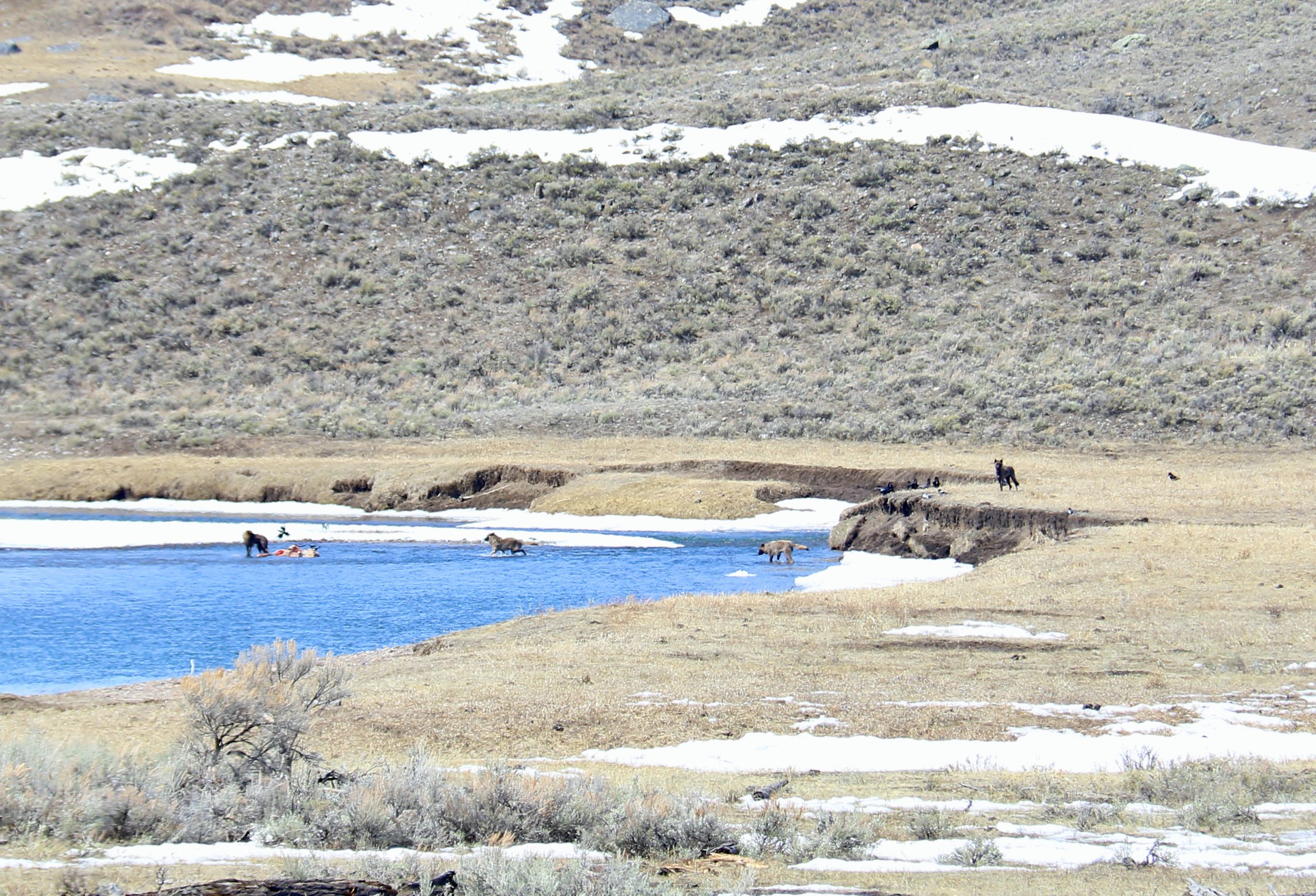
These carcass disposal sites are not landfills or garbage dumps. Instead, they are carefully selected locations where wildlife can feed with minimal human disturbance. Once a carcass is placed there, it often becomes one of the busiest feeding locations in the surrounding area. Ravens may arrive within minutes, while bald eagles and golden eagles circle overhead waiting for an opportunity to feed. Coyotes and foxes often slip in between visits from larger predators, and grizzly bears frequently become the dominant scavengers. Wolves may also visit the sites, depending on where the carcass is located and which packs occupy the surrounding landscape. Over time, even the bones are gradually broken down, returning valuable nutrients to the soil.
Because these sites can attract multiple large carnivores, the National Park Service does not publicize their locations. Curious visitors seeking photographs could unknowingly place themselves in extremely dangerous situations. A bear feeding on a fresh carcass is often focused on protecting an important food source and may react aggressively if surprised. Keeping these areas remote and largely unknown benefits both wildlife and visitors.
Yellowstone’s carcass disposal sites are only one part of a much larger bear management strategy that has evolved dramatically over the past century. During the first half of the 1900s, the park actually encouraged bears to gather at open garbage dumps. Every evening, visitors filled bleachers to watch black bears and grizzly bears rummage through piles of trash in what became known as the famous “bear shows.” Feeding bears from automobiles was also common, and many bears quickly learned that humans were an easy source of food.
The consequences were predictable. According to the National Park Service, between 1931 and 1969 Yellowstone averaged 48 bear-caused human injuries and more than 100 incidents of property damage each year. Bears that became accustomed to human food often lost their natural wariness, leading to increasingly dangerous encounters with visitors.
Everything changed in 1970 when Yellowstone adopted a modern bear management program. The park permanently closed its garbage dumps, installed bear-resistant trash containers, prohibited feeding wildlife, and worked to eliminate artificial food sources that attracted bears into developed areas. Relocating carcasses away from busy roadsides and campgrounds became another important tool for keeping bears wild while reducing opportunities for conflict with people.
Visitors still occasionally encounter temporary trail closures because of an animal carcass. Even if the dead animal is hidden in the trees or over the next ridge, park biologists know that a feeding grizzly bear may be nearby. Closing a trail for several days gives the bear time to feed naturally before hikers return. While these closures can be disappointing, they are an important reminder that Yellowstone remains one of the few places where large predators continue to behave much as they have for thousands of years.
Most visitors will never see one of Yellowstone’s carcass disposal sites, and that is exactly the point. These quiet, out-of-the-way locations allow wildlife to feed without attracting crowds of people, cameras, or traffic jams. They also demonstrate Yellowstone’s modern approach to wildlife management. Rather than interfering with nature, park staff intervene only when necessary to protect public safety. By moving carcasses from developed areas to remote locations, Yellowstone allows the natural cycle of life and death to continue while helping ensure that its bears, wolves, and other scavengers remain wild for generations to come.
WEATHER FOR THE COMING WEEK
I am too lazy to type it all out, so you’ll have to listen to the podcast to get the weather forecast, or just contact me.
Apple: https://podcasts.apple.com/us/podcast/this-week-in-yellowstone-national-park/id1789397931
Spotify: https://open.spotify.com/show/41E5WWldz4s7n6NXh2Lahr
RSS: https://rss.com/podcasts/this-week-in-yellowstone-national-park/
ROADS CONDITIONS
No main park roads are closed now. There are a few spots of construction, but there should be minimal delays. While unlikely, be aware that roads can close at any time due to inclement weather.
For up-to-date information, call (307) 344-2117 for recorded information, or sign up to receive Yellowstone road alerts on your mobile phone by texting “82190” to 888-777.
CAMPING INFO
Everything that will be open this year is Open!
WILDLIFE WATCHING UPDATE
You have to listen to the podcast to get this information. Sorry.
Apple: https://podcasts.apple.com/us/podcast/this-week-in-yellowstone-national-park/id1789397931
Spotify: https://open.spotify.com/show/41E5WWldz4s7n6NXh2Lahr
RSS: https://rss.com/podcasts/this-week-in-yellowstone-national-park/
PICK UP A GUIDEBOOK
Love what you have heard on this podcast and want more information on wildlife watching? Get a copy of my wildlife-watching guidebook to the region! Available in both ebook and paperback formats, my book will help you spot wildlife like a seasoned local. Please consider buying a book directly from me, as I make next to nothing when they are sold on Amazon. Grab your copy now at outdoor-society.com!
TRAIL ALERTS AND UPDATES
The backcountry Conditions Page is updated! I have a link to it in the show notes. That site is the easiest way to check the status of a trail you want to hike.
Carry bear spray. Have it readily accessible and not in a backpack. Know how to use it.
TREK OF THE WEEK
The Old Wolf Pen
NEXT WEEK
In the next episode, I’ll return with all of the information you need to have a good week in the park, including wildlife, weather, and trail updates. Until then, book a tour with me, pick up a guidebook of mine, and happy trails!