 by
by 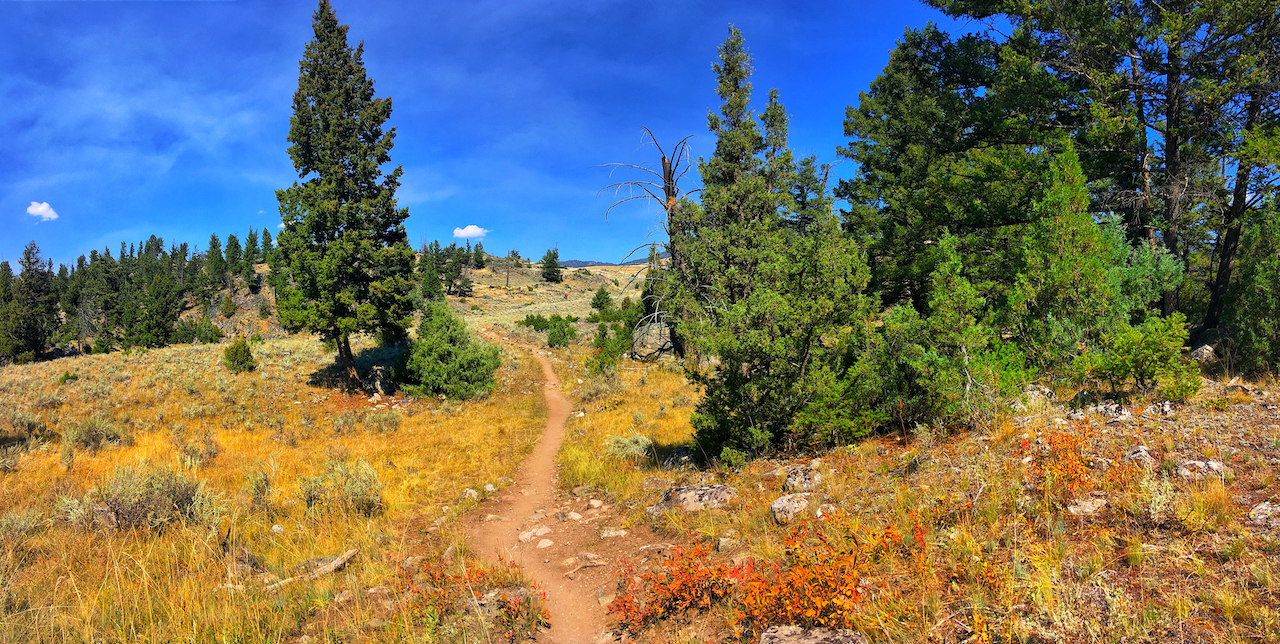
This week in Yellowstone National Park, from September 4th through September 10th, 2025, I will share with you what you need to know for the start of the elk rut, give a brief overview of bears entering hyperphasia, share a trail for those looking for serious miles and serious views, and let you know why you shouldn’t expect an empty park in September. I will also give you the complete weather forecast, wildlife report, the news, and everything else you need to have an incredible time, “This Week in Yellowstone.”
LISTEN TO THIS AS A PODCAST!
Apple: https://podcasts.apple.com/us/podcast/this-week-in-yellowstone-national-park/id1789397931
Spotify: https://open.spotify.com/show/41E5WWldz4s7n6NXh2Lahr
RSS: https://rss.com/podcasts/this-week-in-yellowstone-national-park/
Disclaimer: I might miss a few details, so feel free to reach out with questions! I also mention park locations casually—if you’re unfamiliar, a quick search can help.
Also, this podcast is a passion project—I’m not paid or sponsored. If you enjoy it, I’d love a review or a quick email! To support my work, check out my guidebooks on hiking and wildlife watching, or join me for a guided Yellowstone tour. For details, visit outdoor-society.com or reach out directly!
EXPERIENCE OF THE WEEK
The Start of the Elk Rut in Yellowstone
When September rolls into Yellowstone National Park, the air turns crisp, the grasses pick up a golden glow, and the park’s valleys transform into theaters for one of its most unforgettable shows, the elk rut. Whether you’ve been coming to Yellowstone for years or you’re visiting for the very first time, watching the rut feels like stepping into a wild, ancient drama that plays out right in front of you.
What is the Rut?
The rut is elk mating season, and it’s as dramatic, sometimes fast-paced, sometimes slow, but always has a sense of anticipation. Bulls (male elk) compete for the attention of cows (females) with a mix of bugling, sparring, and sheer bravado. If you’ve never heard a bugle before, it’s a high, almost haunting call that echoes across valleys, part challenge to rivals, part announcement of strength. A single dominant bull might collect a harem of 20 or more cows, keeping a constant eye out for challengers and charging in to push them away.
For visitors, it’s mesmerizing. Sometimes you’ll see bulls lock antlers in noisy, head-to-head battles. Other times, the fights are more like bluffs, ending quickly when one bull decides not to risk it. Between the bugling, the clashing antlers, and the sight of herds moving through wide-open meadows, the rut captures everything wild and untamed about Yellowstone.
Timing the Rut
The rut tends to peak in mid-to-late September, but if you’re here earlier in the month, you’ll still get a taste of it. The reason I am mentioning it now is because I want to make sure to have it covered early and not mention it too late for those of you headed to the park. Early September is when the buildup begins. Bulls are polishing their antlers, scraping the remaining velvet off them, and getting ready to show off. They are fine-tuning their bugles and starting to pull cows into harems. On cooler mornings and evenings, you’re especially likely to catch the action, as the energy ramps up toward the season’s peak.
Best Places to See the Rut in Yellowstone
Mammoth Hot Springs
Mammoth is the most famous spot to see elk during the rut, and for good reason. Big herds often settle right on the lawns around the historic buildings of Fort Yellowstone and the Mammoth Hotel. It’s an incredible contrast: wild bulls bugling and chasing cows with terraces and old stone barracks in the background. The elk here are used to people in the summer, but that doesn’t mean they’re tame in the least. Once the rut shows its first signs, Rangers are stationed in Mammoth to keep things as safe as they can. It sounds like a no-brainer, but it’s important to give the elk plenty of room, and more often than not, stay in your vehicles, as elk can and will run way faster than you.
Madison Junction
For a wilder backdrop, head to the meadows along the Madison River. The scenery here, mist lifting off the water, elk bugles drifting across the flats, feels like classic Yellowstone. Bulls tend to be especially active in this area, and the broad valley makes for great viewing.
Hayden Valley
Though it’s better known for bison and bears, Hayden Valley also sees big elk herds during the rut. With its sweeping views, you can often spot action even at a distance, especially with binoculars or a spotting scope.
Gardner River Corridor
Between Mammoth and the town of Gardiner, elk gather along the river flats. This stretch tends to be quieter than Mammoth itself, but still gives you a good chance of seeing bulls bugle, herd cows, or even spar.
Old Yellowstone Road
I know some fellow locals will be less than thrilled at me for mentioning this, but if you drive Old Yellowstone Road, between Gardiner and Yellowstone Hot Springs, you’ll have a lesser-known, more wild chance to see elk engaging in the rut.
It’s easy to get caught up in the excitement, but rutting elk deserve space. Bulls can weigh around 700 pounds and, during the rut, they’re running on pure adrenaline. Yellowstone requires visitors to stay at least 25 yards away from elk in the non-rut season, though backing up even more during the rut is the safest bet. Bull elk will charge at you, your car, and anything else they view as a threat to their harem or chances of mating. Do not mess around and take their aggression seriously. A zoom lens, binoculars, or a spotting scope will make the experience both safer and more enjoyable.
Beyond being an unforgettable spectacle, the rut is a critical part of the ecosystem. Bulls compete for mates, ensuring that the strongest genetics get passed along, keeping elk populations resilient. Elk are also a cornerstone species in Yellowstone, supporting predators like wolves and bears. In a way, when you’re watching the rut, you’re witnessing a key moment in the park’s natural cycle, a moment that ripples out into the broader web of life.
If you’re lucky enough to be in Yellowstone in early September, don’t miss the elk rut. Whether you’re standing in Mammoth listening to bugles echo off stone buildings or tucked into a pullout along the Madison at dawn, it’s an experience that sticks with you. The rut is raw, wild, and deeply tied to the spirit of Yellowstone, proof that this is a place where nature still runs the show.
TIP OF THE WEEK
Know That Early to mid-September Won’t Have An Empty Park
If you are heading into the park in September, I want to give you a heads-up: The park will not be empty. Contrary to popular thinking, the park doesn’t experience a huge decrease in population once Labor Day Weekend is behind us. In fact, Yellowstone’s September visitation is nearly as high as visitation in August, with a large amount of that coming in the first two to three weeks.
In August 2024, Yellowstone welcomed 871,163 recreation visits, up about 3 percent from the previous year (National Park Service). Just a month later, in September 2024, the park recorded 852,435 visits, a drop of less than 2 percent from August (National Park Service). That means September’s traffic was nearly the same as summer’s peak, more proof that people still flock to the park despite school schedules and cooler mornings.
It’s not just a one-off fluke. A look back at previous years, like 2024 versus 2024 earlier or even versus 2019, shows September holding its own. One source notes that in 2024, September was teeming with visitors, only about 16,000 fewer than August, a negligible dip overall (Outdoor Society).
This trend upends the old thinking that visitors drop off sharply once kids go back to school. September buries that myth for good. These days, the park stays just as vibrant as summer through at least Labor Day (Outdoor Society).
Part of the reason is changing travel patterns. More retirees, flexible work schedules, and social media’s influence have stretched visitor seasons. People aren’t tied to a summer vacation calendar the way they used to be. Instead, many plan to avoid heat and crowds, but never expect the crowds to disappear entirely (Cowboy State Daily).
Crowds may thin slightly later in the month, some Reddit users point out that after mid-September things quiet down, and by late month you might feel a little less jostled on the roads and boardwalks (Reddit). But early and mid-September, especially around Labor Day, still deliver strong visitation numbers and limited seasonal closures (Reddit).
All this adds up to one clear message: September in Yellowstone is no afterthought. The epic shows of the elk rut, crisp weather, and fall color don’t attract the crowds alone, but they matter. The park ambiance remains vibrant, services stay open, and the wildlife continues to shine under cooler skies.
So if you’re heading to Yellowstone this September, don’t expect solitude, but do expect a solid, full park experience, packed with the same energy that drove summer crowds, but now with a more autumnal twist.
RANDOM YELLOWSTONE FACT OF THE WEEK
Bears in Yellowstone and the Frenzy of Hyperphagia
When late summer tips toward fall in Yellowstone National Park, the whole landscape feels like it’s shifting gears. The days get shorter, mornings grow chilly, and for the park’s bears, both black bears and grizzlies, it sparks one of the most fascinating survival strategies in the animal kingdom: hyperphagia.
That’s the scientific name for the phase when bears basically turn into eating machines. Their bodies are telling them it’s time to bulk up for hibernation, and they take it seriously. A bear in hyperphagia might spend 20 hours a day foraging, digging, climbing, and flat-out chowing down. They can consume more than 20,000 calories daily, think of it as an all-you-can-eat buffet that never ends until the snow flies.
What Hyperphagia Looks Like
If you’ve seen a bear in early summer, you might have noticed it casually grazing on grasses or tearing apart logs to find insects. During hyperphagia, though, the mood shifts to almost frantic. Every berry bush, every ant hill, every whitebark pine cone cache is a potential jackpot. They’ll scavenge wolf kills, fish, roots, and whatever else they can get their claws on.
And it’s not just about getting big for the winter. For female bears especially, fat reserves from this season determine whether they’ll have cubs and if those cubs will survive the winter den. For grizzlies, it can mean gaining three or four pounds every single day. Black bears may even double their body weight in just a couple of months.
Best Places to Spot Bears in Hyperphagia
Late August through September is one of the best times to see Yellowstone’s bears in action. While there are no guarantees, some spots give you a better shot, and those are:
- Hayden Valley: Wide-open views and plenty of food make this a hotspot. Bears are often seen wandering meadows or patrolling riverbanks
- Lamar Valley: Known for wolves and bison, it’s also prime bear country. A good pair of binoculars or a spotting scope will help you catch them digging for roots or checking out carcasses.
- Dunraven Pass & Mount Washburn: High elevations mean whitebark pine, and bears can be spotted raiding squirrel caches here. Hikers on the Mount Washburn Trail have been known to see grizzlies working the ridges.
- Fishing Bridge / Lake Area: The shoreline and nearby forests can draw bears looking for roots and vegetation, especially later in the season.
- Blacktail Plateau: The roadside and the trail itself often feature berry patches that attract both grizzlies and black bears.
- There is another spot that is truly awesome for seeing grizzlies in the fall, but I am holding off on that until next week’s episode. Stay tuned, or whatever the podcast version of that is.
Trails with Frequent Bear Activity
Plenty of Yellowstone’s hiking trails cut right through bear habitat, and during hyperphagia, your odds of seeing one go up. The Mount Washburn Trail and Avalanche Peak are probably the most famous for late-summer sightings, thanks to those pine nuts. The Hellroaring Creek Trail near Tower is another spot where grizzlies are sometimes spotted in the meadows. Hikers on the Pelican Valley Trail, near Fishing Bridge, occasionally see bears as well, though it’s worth noting that during this time, many trails are closed specifically to minimize bear-human conflicts. Even short hikes, like the Blacktail Plateau Trail and the Slough Creek Trail, can surprise visitors with berry-foraging bears.
If you’re heading out on trails, bear spray is a must, and staying in groups makes a big difference. A bear focused on food might ignore you, but it also might not and view you as a threat, so giving them plenty of space is the rule, as always.
Watching Bears Safely
There’s nothing quite like seeing a bear gorging itself on berries or pawing apart a log in search of insects, but it’s important to remember just how powerful they are. Grizzlies during hyperphagia are laser-focused on food, which makes them even less tolerant of disturbance.
Park rules require staying at least 100 yards away from bears, and honestly, more is better. A good pair of binoculars or a spotting scope will give you a front-row seat without putting either you or the bear at risk. And remember, anything left unattended, like coolers or backpacks, can lure bears in. A single food reward from people can set a bear on a path that often ends badly for the animal.
Why It Matters
Hyperphagia isn’t just fun to watch; it’s the key to a bear’s survival. A poor crop of whitebark pine cones or a berry failure can mean a rough year for cubs. The fat bears put on now fuel everything, hibernation, reproduction, and survival until spring.
For visitors, seeing it firsthand is unforgettable. Maybe it’s a grizzly silhouetted on a ridge above Dunraven Pass, or a black bear clumsily climbing into a chokecherry bush along Blacktail Plateau. Either way, you’re watching an ancient rhythm play out, one that ties the bears to Yellowstone’s seasons in a way that hasn’t changed for millennia.
SNOWPACK UPDATE
Not in this week’s episode. This will be back in a month, hopefully.
ROADS CONDITIONS
All major roads and most side roads are open right now in and around Yellowstone National Park. This includes Dunraven Pass and the Beartooth Highway.
For up-to-date information, call (307) 344-2117 for recorded information, or sign up to receive Yellowstone road alerts on your mobile phone by texting “82190” to 888-777.
CAMPING INFO
Every campground in the park that is going to open this year is open, except for Indian Creek, which closes on the 7th. Throughout the park, there are numerous sites available this coming week.
WILDLIFE WATCHING UPDATE
You have to listen to the podcast to get this information. Sorry.
Apple: https://podcasts.apple.com/us/podcast/this-week-in-yellowstone-national-park/id1789397931
Spotify: https://open.spotify.com/show/41E5WWldz4s7n6NXh2Lahr
RSS: https://rss.com/podcasts/this-week-in-yellowstone-national-park/
PICK UP A GUIDEBOOK
Love what you have heard on this podcast and want more information on wildlife watching? Get a copy of my wildlife-watching guidebook to the region! Available in both ebook and paperback formats, my book will help you spot wildlife like a seasoned local. Please consider buying a book directly from me, as I make nothing when they are sold on Amazon. Grab your copy now at outdoor-society.com!
TRAIL ALERTS AND UPDATES
Currently, as of the time of this recording, all trails that are supposed to be open in the park are open. Trails in the bear management areas are not included in that statement. All the information on trail conditions can be found on the Backcountry Conditions Page of Yellowstone National Park.
TREK OF THE WEEK
This week’s trail pick keeps up a bit of a trend. What trend, you ask? Lately, I’ve been spotlighting hikes that are more off-the-beaten path, treks best suited for hikers looking for a challenge and a truly memorable day in Yellowstone. If you were hoping for an easier option this time around, I’d suggest either dropping me a note or checking out my hiking guidebook for the region. The ebook version is just $10 and is packed with trail ideas for all levels.
This week’s feature comes straight from that guidebook, and it is Sepulcher Peak. Hiking around Mammoth Hot Springs often feels chaotic, with boardwalks zigzagging across steaming terraces and plenty of infrastructure all around. It’s easy to assume that solitude isn’t possible here. I thought that too, until I hiked the Sepulcher Peak Loop. Beginning right next to Liberty Cap in the heart of Mammoth, this 13-mile loop is now one of my favorite summer and fall hikes. Climbing to over 9,600 feet, Sepulcher offers sweeping views of Yellowstone’s northwest corner, rivaled only by the jaw-dropping summit of nearby Electric Peak. Like much of the park, this is prime bear country, so carry bear spray, keep it handy, and know how to use it.
The trail itself is a gem. It starts out in a shaded gully for about half a mile before the real climbing begins. You’ll gain nearly 2,000 feet in the first three miles, so yes, it’s a bit of a workout. But with every step, the views get better. Around the three-mile mark, after a set of switchbacks, you’ll crest a ridge that opens up to your first big panorama. It’s the perfect spot for a snack and a breather. From here, the trail levels out briefly, only to climb again, another 500 feet in just half a mile. The ups and downs continue as you wind along ridges, move in and out of forest, and eventually face the final climb at about 4.5 miles in.
That last push really makes it feel like a mountain hike. Jagged rock towers loom on one side while trees cling to steep slopes on the other. Marmots skitter across the rocks, and birds circle overhead as you grind out those last few hundred vertical feet. At the top, take the short boot path off to the right; it leads to a rocky perch with jaw-dropping views of the Yellowstone River, the town of Gardiner, and Electric Peak. This is a great spot to eat lunch, take photos, and soak up the fact that you’ve made it to the highest point of your day.
The views don’t stop there, though. Following the ridge, you’ll get a close-up of Electric Peak before dipping back into the trees. About half a mile beyond the summit viewpoint, the trail starts a long, sweeping descent, mile-and-a-half switchbacks that many say offer the best scenery of the hike. As you zigzag down the flank of the mountain, Swan Lake Flats stretches out below, framed by mountains in every direction.
Once you reach the forest again, it’s a quick half-mile to a junction where you’ll turn left and follow a creek. In less than a mile, you’ll reach another junction; stay left here, too. The trail meanders through clearings and wooded sections, eventually bringing you to the Upper Terrace of Mammoth after about 11 miles total. Here, you’ll skirt past some thermal features before spotting the paved loop road. You can either continue on the trail back down, or, like me, hop onto the road and enjoy a walk past overlooks and terraces that most folks only glimpse from their cars. Before long, you’ll find yourself back among Mammoth’s boardwalks and bustle, completing a loop that blends wilderness, solitude, and classic Yellowstone scenery.
NEXT WEEK
In next week’s episode, I’ll return with all of the information you need to have a good week in the park, including wildlife, weather, and trail updates.
Until then, happy trails!